Our Clientele














Link Building Services: Powerful Backlinks Services for Singapore Businesses
Key Takeaways
- Login Marketing is the leading SEO agency Singapore businesses trust for ethical link building services. We combine proven SEO strategies with local expertise to help businesses make connections and strengthen their online reputation through backlinks.
- Quality backlink services in Singapore start with us. Login Marketing spotlights quality in all our link building Singapore campaigns by sourcing only from reliable sites that boost your credibility and traffic.
- Login Marketing is a full-service SEO Singapore provider that integrates quality link building services with on-page and off-page SEO to help you achieve maximum returns on investments. We provide link building services Singapore companies trust.
Login Marketing’s tailored link building services give you the competitive edge needed to outperform your competitors. Book a consultation with us and enjoy a free SEO audit today.
Client’s Success Stories
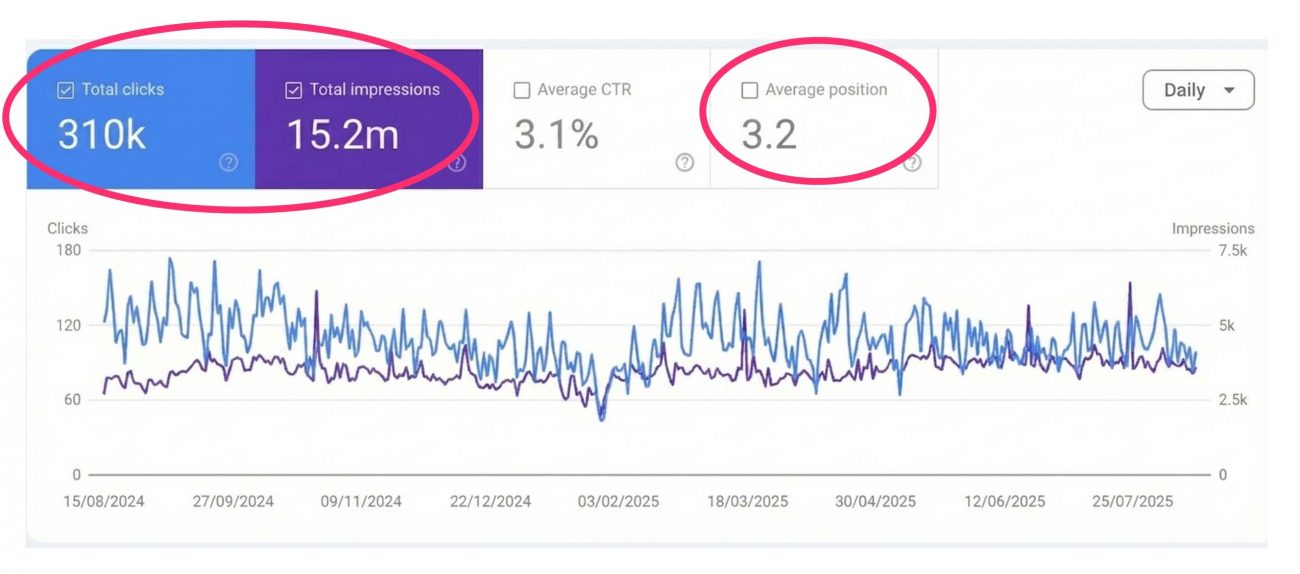
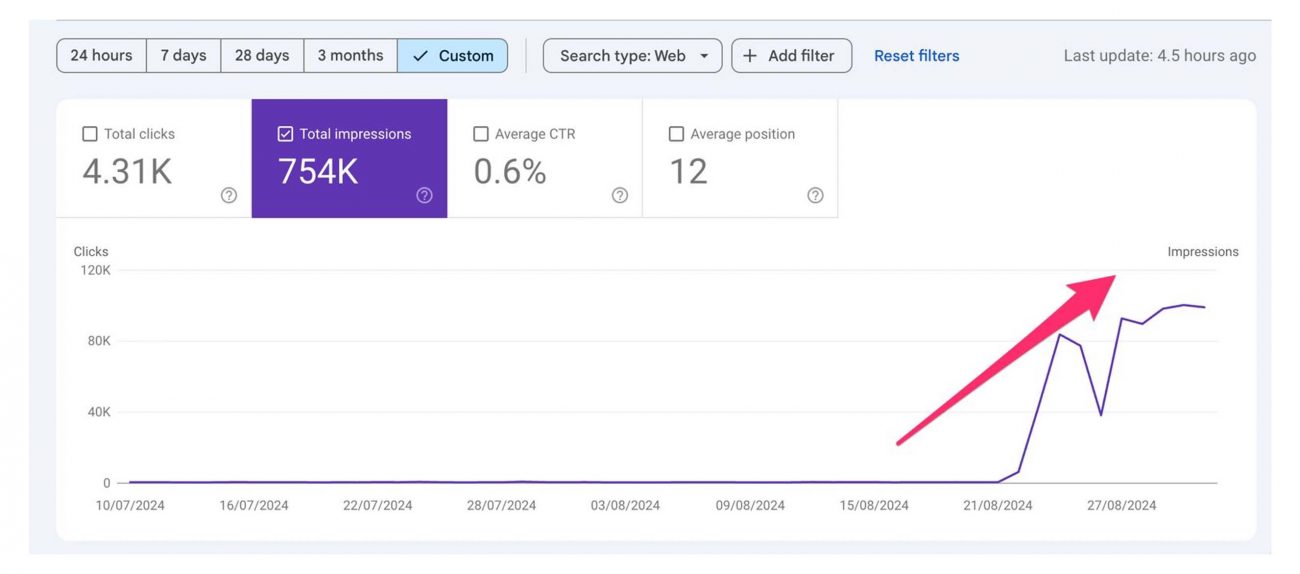
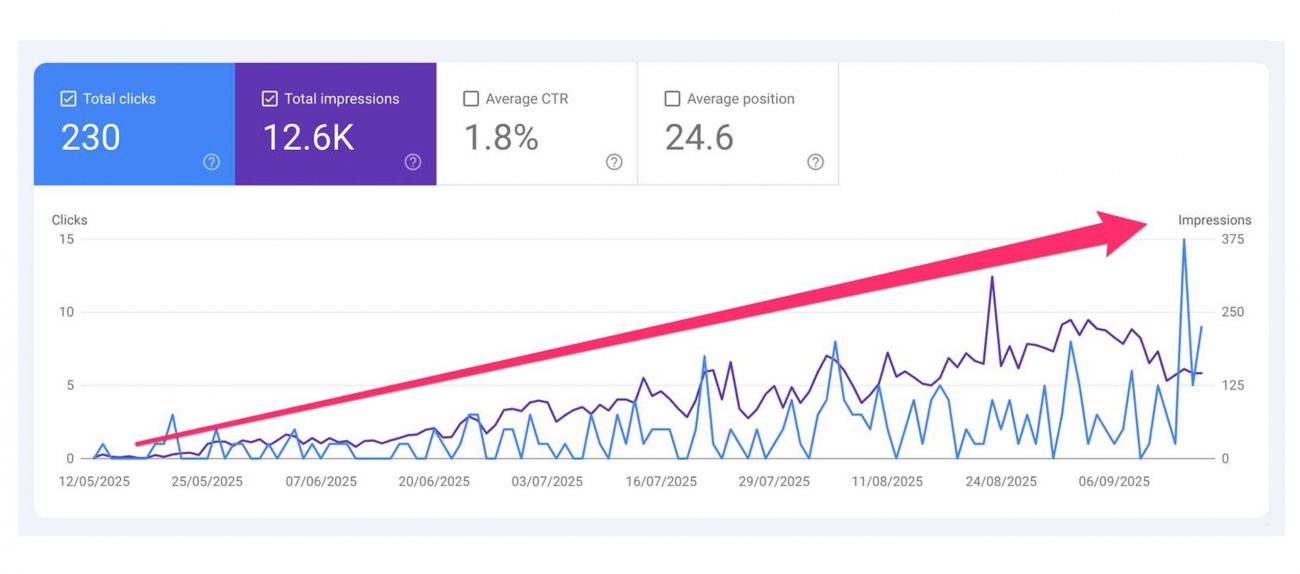
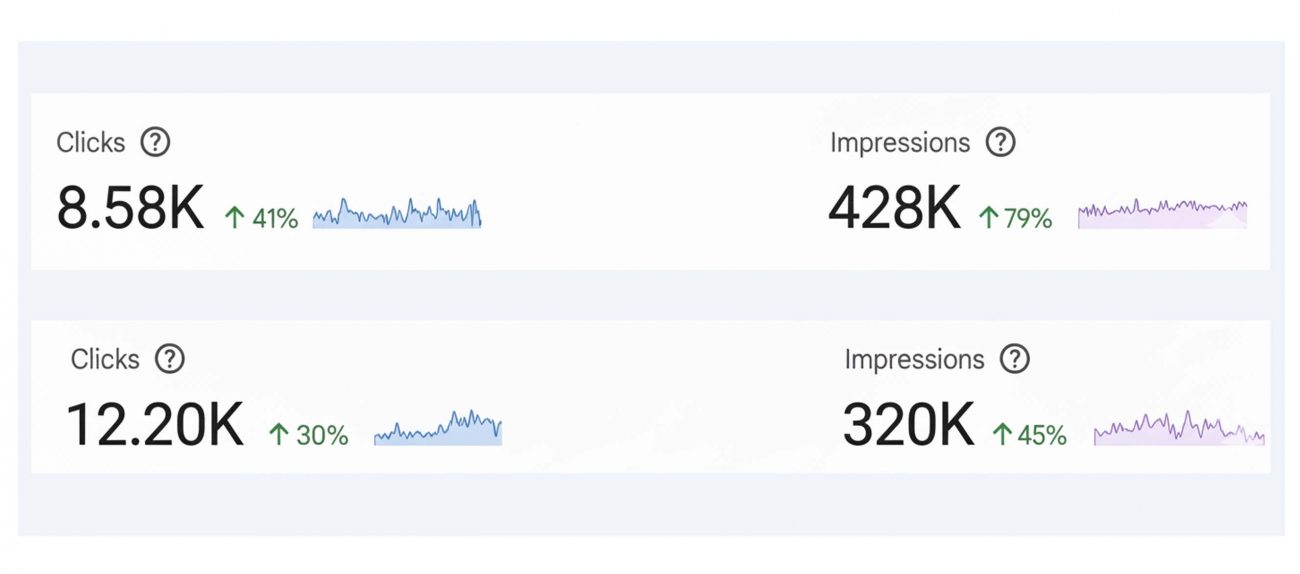
Consistent SEO efforts driving exponential growth
What Is Link Building?
Link building is the process of getting other websites to link back to you. When another site includes a hyperlink that leads to your page, that hyperlink is called a backlink (also known as an inbound link).
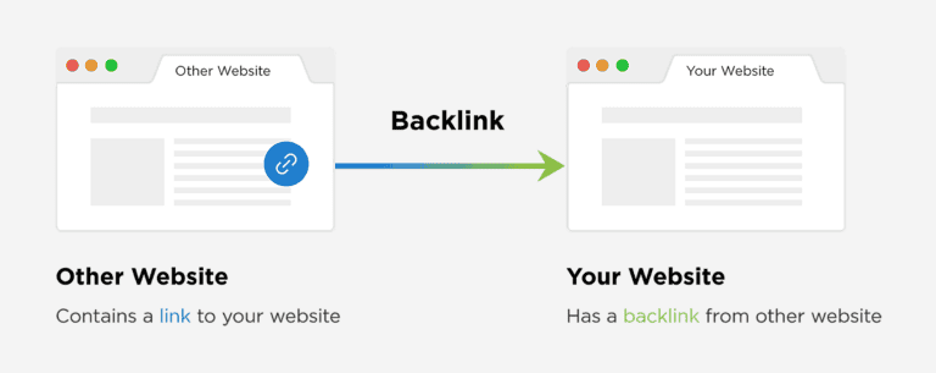
Search engines such as Google view backlinks as “votes of confidence”. The more backlinks your website gets, the more you are likely to be seen as credible, which boosts your search rankings and visibility. But bragging about yourself and your business offerings is not quite enough.
What’s just as important is how others perceive you, what they say about you, if you are recognised as an authority figure in your industry, and if your content is often used as a reference by others (which speaks to your expertise in your field).
What Are The Different Types of Backlinks
Search engines care most about backlinks (inbound links) because they show that you are trustworthy enough to be referenced by others. This is what we at Login Marketing will focus on when providing you with premium link building services.
Still, we feel that it is important for businesses to understand the different types of backlinks and how they work. Let’s quickly break down the 2 main ones that are most crucial for your SEO knowledge.
Dofollow Backlink (Link to blog)
Nofollow Backlink (Link to blog)
The Difference Between Good and Bad Backlinks
Backlinks play a crucial role in how search engines evaluate your website. However, not all backlinks are created equal.
Good backlinks
are earned from domains with strong SEO authority. This means websites that people recognise and trust for information, and that search engines rank highly because they are consistent with quality. These domains should also be relevant to your industry, with backlinks being naturally embedded within useful content (not as an afterthought in the comments section or FAQs).
For example, a well-known local food blogger with 5,000 clicks per article, backlinks (Dofollow) to your bakery page with glowing recommendations in their latest post. This is a great endorsement because the source is both local and from the same industry. They also have a loyal audience that regularly engages with their content, the backlink is naturally included in the article, and it is a Dofollow backlink. All these signals to search engines that you are being endorsed by a high-quality source, which will boost your SEO authority and help you rise in search rankings.
Bad backlinks
from low-quality sources, on the other hand, can seriously harm your website’s SEO. We are not going to name any examples here, but a quick search will reveal websites with poor UX/UI, content full of grammatical or spelling errors, slow loading speeds, advertisement spam, and an overall lack of care put into on-page and off-page SEO. These are all elements that will drag down your domain rankings, making search engines less likely to recommend your website to users.
Ultimately, a hundred bad backlinks from unknown directories are far less valuable than a single backlink from high-authority domains such as The Straits Times or gov.sg websites. We at Login Marketing will always prioritise quality over quantity, ensuring that you gain backlinks from trustworthy sources with high SEO authority.
Types of Link Building Strategies
There’s no one-size-fits-all approach to link building services. Depending on your industry and target audience, we at Login Marketing will tailor each SEO campaign to your needs and budget. We offer all of the services below to help you achieve sustainable SEO growth. Some of them are bundled together so you get more value for your buck. Get in touch with us here to get started!
1. Create valuable content
The first, most crucial step of any link building strategy is to create content that people actually want to backlink to. To attract, it will need to be content that other people would want to reference and share with their audience, such as insightful research, industry commentary, comprehensive guides, comparisons and reviews, free tools and templates, or other resources like images and videos. Visual assets are especially shareable because they are easier to digest and can be reused for social media marketing purposes (though more tedious for businesses to produce). Statistics and well-researched data are another top choice, as other companies often rely on numbers and facts to lend credibility to their statements.
Remember, the more engaging and informative your content is, the easier it becomes for others to link to it.
2. Contribute your content
Once your website is ready with link-worthy content, the next step is to start reaching out to 3rd party domains. We’ve also provided our recommended templates of what you can say when you reach out through email.
Content contribution strategy #1: Guest Posting, also known as guest blogging. The idea is to contact websites, offer to guest post (contribute) articles on their page, tailored to their audience, with a fresh perspective that they will find valuable. This process will expose your business website to their readers while earning clicks from naturally inserted backlinks.
You can start by identifying blogs or industry websites that accept guest posters (search for phrases like “write for us”). If the website doesn’t explicitly mention guest posting or writing opportunities, check if they have a blog or articles page to see if they feature authors from outside their organisation. If they do, that’s great! But if not, and you really want to get featured, it is worth trying your luck. Once you’ve identified several websites, brainstorm/pitch relevant topics that you think their audience might want to read, and that you are qualified to write about.
For instance, a Singapore law firm sees that a local news outlet has published an article covering a business contract dispute. The case is ongoing, and readers are interested in the details, though they are not familiar with contract law. The Singapore law firm might offer to guest post a separate article, “Common Contract Mistakes Small Businesses Make,” on the news outlet’s website, which provides their readers with legal information in layman’s terms. The article would also include a backlink to the law firm’s website, making this process a mutually beneficial arrangement.
Login Marketing’s suggested template for SEO guest post link building outreach:
Subject: Guest Post Proposal – Law Firm’s Insights on Business Contracts in Singapore
Dear [Editor], (Best if you can find their first name from LinkedIn)
My name is [Name], and I am a [Role] at [Company]. We specialise in [Something about the company’s expertise], particularly in the area of [Specific area relevant to your proposed article].
We read your recent coverage of [Article summary], and it struck us that your audience might also be interested in reading about [Unique topic]. To complement your post, we would like to propose a guest piece article authored by [Company leader/expert], who has extensive experience in [Article summary and Unique topic]. He/She has [list their experiences]. Their insights will [Explain how it will add value to their readers].
Here are a few examples of content we’ve contributed to other websites:
- [List relevant article URL examples]
We would be delighted to share more details of the article if you are open to having us guest post on your website. Looking forward to the possibility of collaborating with you and your team!
Thank you.
[Sign off]
Content contribution strategy #2: Curated links, also known as niche edits. This is not supposed to be a pushy cold-call process where we beg people to backlink to us. What we want is to ‘help’ the other website improve their audience experience on their own page by backlinking to our resources so their audience benefits, and we get their backlink!
The big difference from guest posting is that you don’t necessarily have to write a whole new article for someone else’s site. Instead, curated links is about asking them to edit their existing content by adding a simple backlink pointing to a resource on your website.
With this in mind, Login Marketing recommends you run through websites from relevant industries. As you go, note where their content may be supported/enhanced from something you can provide (e.g. tools, statistics). Reach out to the website and offer your resource as something valuable and complementary to their content, so their viewers can benefit. The key is to ensure that your resource is valuable enough so that they see the upsides of backlinking to you. If the resource is too basic, they might resort to D.I.Y and add to their content themselves. As mentioned, visual assets and statistics are popular choices (and for good reason).
Login Marketing’s suggested template for SEO editorial link building outreach:
Subject: Helpful Resources to Complement Your Article on [Article summary]
Hello [Editor], (Best if you can find their first name from LinkedIn)
My name is [Name], and I am a [Role] at [Company]. We specialise in [Something about the company’s expertise], particularly in the area of [Specific area relevant to their article].
We loved your post on [Article summary]. It’s such a timely piece and a great resource for [Audience type/Context regarding industry]. We especially liked your point about [Specific part about article].
We’ve actually put together [Engaging resources] on our page, and we think it complements your article perfectly. We believe it will be a good fit to support your article and provide your audience with additional tools. If it works for you too, we’d really appreciate it if you’d consider giving us a quick mention and link in your post so that your audience can have access to our [Engaging resources and How they can use it].
Here’s the link: [URL to your resources]
Thanks again for the great content. Looking forward to hearing back from you!
(Sign off)
3. Broken Link Building
Broken links are one of the biggest killers in SEO. They frustrate users and send negative signals to search engines. Worse, if left unchecked, it will erode your SEO page rankings. There are 3 main types of broken links you need to keep an eye out for:

- Broken internal links. These occur when you rename or move a page on your own site, but forget to update the links pointing to it.
For example, you rename your URL from “healthy-snacks” to “quick-healthy-snacks”, but did not update the new URL path in the main page’s navigation menu, or update other internal posts that link to the original healthy-snacks page. It could also be a simple error, such as a typo in the URL or formatting errors from website theme or plugin changes ( you can check with your CMS provider if there have been updates to the theme/plugin that might conflict with your coding).
- Broken external links. External (outbound) links can break for all sorts of reasons, and there’s not much we can do to control this. It could be expired domains, deleted/moved pages, changed URLs, server errors, or even restricted page access.
The easiest solution is to replace the broken link with another high-authority source that provides similar value. This doesn’t require any communication between you and the other website, and so it’s often the quickest way to fix the issue before your audience notices the broken link error.
That said, it is also worth reflecting on why you backlinked to that website in the first place. What value did they provide? Do you already have a good relationship with them? If the answer is “yes”, it may be worth going the extra mile to reach out, kindly informing them about their broken link and requesting for the updated version. With luck, the website owner might appreciate the kind heads‑up and be more amenable to future collabs!
- Broken backlinks. This often happens when other websites backlink to you, but your content has been compromised (moved, renamed, deleted, or reformatted). That backlink now points to a 404 error page, resulting in lost traffic and wasted SEO.
We cannot afford to lose a backlink, especially if it’s from a reputable, high-authority source. We at Login Marketing recommend using our template to reach out to the site owner and politely request that they update the backlink. Remember to keep your message short and sweet.
Login Marketing’s suggested outreach template to amend your broken backlinks:
Subject: Changes to the backlink for [Article Summary]
Dear [Editor], (Best if you can find their first name from LinkedIn)
Hello, and hope you’re doing well! I’m [Name], [Role] at [Company].
I wanted to reach out because your post “[Page Title/URL]” links to one of our pages. That page has since been [Moved/Renamed], so the link is currently showing a 404.
Here’s the new URL you can use: [New link URL].
Thank you again for highlighting our content. I truly appreciate your help in keeping it accessible for your readers.
Best regards!
[Sign off]

Login Marketing hopes that this guide to link building has been helpful thus far! If you’re looking to fix your broken links ASAP, contact us here. If you’d prefer to run solo, we recommend using this free broken link checker to scan the first 2,000 links on your website. Software tools like Screaming Frog and Ahrefs are also popular, though their free options tend to be more limited.
We’ve covered how to identify and handle broken links, but let’s not rest on our laurels. The next smart move is to use link building strategies that convert 404s into opportunities for growth.
Broken Link Building Strategy: Content replacement. This involves identifying broken links on industry-relevant websites and offering your content as a replacement. The website owner fixes an issue impeding their SEO, and you gain a high-quality backlink. It’s a win-win!
Let’s say you discover a broken link on a parenting blog whose anchor text is “Montessori play activities”. The backlink now leads to a 404 error. You take the initiative to hunt down the blogger’s contact information and send a short, friendly email, suggesting they replace it with your own resource (expert tips, downloadable resources, etc.) supporting their content about Montessori play activities. This restores the usefulness of the blogger’s broken backlink and puts your content in front of an industry-relevant audience.
Every broken link is an opportunity in disguise, so make sure to capitalise on it! The key is to make it easy for them. Explain why your resource is valuable for their readers and position it as a ready‑made solution so they don’t have to waste time hunting for backlink alternatives.
Login Marketing’s suggested template for SEO broken link building outreach:
Subject: Regarding your website’s broken link + Resource for your readers
Hello [Editor], (Best if you can find their first name from LinkedIn)
My name is [Name], and I am a [Role] at [Company]. I was just on your website and noticed that one of the links in your post is no longer working.
Broken link: [URL of broken page]
I think your content is fantastic! So I thought I’d share something that could work as a replacement for that broken link. We actually have [Relevant resource] on [Related topic] which covers [Reason why it’s valuable]. Feel free to take a look! I feel it will be a great fit for your readers.
Our [Relevant Resource]: [Article URL]
This [Relevant resource] has already been referenced by other websites, such as:
[List relevant article URL examples]
Hope it helps! Thanks for taking the time to read this email.
(Sign off)
4. Forgotten links, Link building
Sometimes, someone might mention your business in a blog post or article, but forget to link back to your website. It’s worse than a Nofollow backlink because there’s no hyperlink at all to guide readers to your page.
The good news is that these are relatively easy backlinks to reclaim since they have (probably) already done their research about your business and seen the value in your content, enough to mention you in their post. It is just a matter of reaching out to them and kindly asking them to backlink to your page (Unless the content is negative and they are outing you as a business to avoid… you don’t want that linking back to you at all, just leave it alone).
One of the easiest ways to monitor where your business is mentioned online is to set up Google Alerts. This free tool helps track ‘brand mentions’ across online platforms in real time. There’s also the paid tool, BuzzSumo, which alerts you to news about your brand, competition, laws, industry news, and more.
Here is Login Marketing’s suggested outreach template for forgotten links:
Subject: Regarding your website’s broken link + Resource for your readers
Hello [Editor], (Best if you can find their first name from LinkedIn)
My name is [Name], and I am a [Role] at [Company].
I came across your post about [Article Summary] and noticed you gave us a mention. Thank you so much for the shout-out!
Could I ask you a quick favour? I’d really appreciate it if you could add a link to our website where you mentioned us. It would make it easier for your readers to engage if they’d like to learn more.
If you have any questions or need anything from me, let me know, and I’d be glad to help. Thanks again for including us in your article, and I look forward to hearing back from you!
[Sign off]
5. Internal linking
This is one of those simple yet powerful SEO strategies that often gets overlooked. Internal linking helps distribute authority across your pages and guides both readers and search engines through your content.
For users, internal links encourage exploration of related topics. Instead of hitting a dead end, they can keep clicking through to learn more. This naturally increases the amount of time they spend on your site, which Google sees as a positive ranking signal because Longer engagement tells search engines that your content is useful and relevant. On the other hand, if visitors click off your website quickly (due to reasons such as slow loading times, or bad content, etc), it increases your website’s ‘bounce rate’, which can signal that your content didn’t meet their needs and search engines are less likely to recommend irrelevant websites to their users. Internal links help reduce bounce rate by giving readers more reasons to stick around.
What really helps is knowing which specific content your audience likes. Knowing the number of page views definitely helps, but some tools and apps track engagement in more detail. For example, Google Analytics provides metrics like average session duration and bounce rates. Tools like Hotjar and Microsoft Clarity are user behaviour analytics tools that use heatmaps to show you users' click patterns and even their mouse movements. These insights help you understand which parts of your content keep users engaged and where they drop off. Pairing this with a smart internal linking strategy will help guide visitors toward valuable content so that they stay engaged longer. This sends strong signals to search engines that your site is relevant and deserves a higher search ranking.
For search engines, internal links act like signposts (similar to a sitemap). They show how your pages are connected and help distribute SEO authority across your site.
A good starting point is for businesses to build a solid page hierarchy. Create pillar pages for each major service you provide, focusing on broad, high‑volume keywords. From there, branch out into categories and subcategories that target more specific, long‑tail keywords. Make sure that the subcategory pages always link back to the pillar page, reinforcing the main topic and keeping each page interconnected.
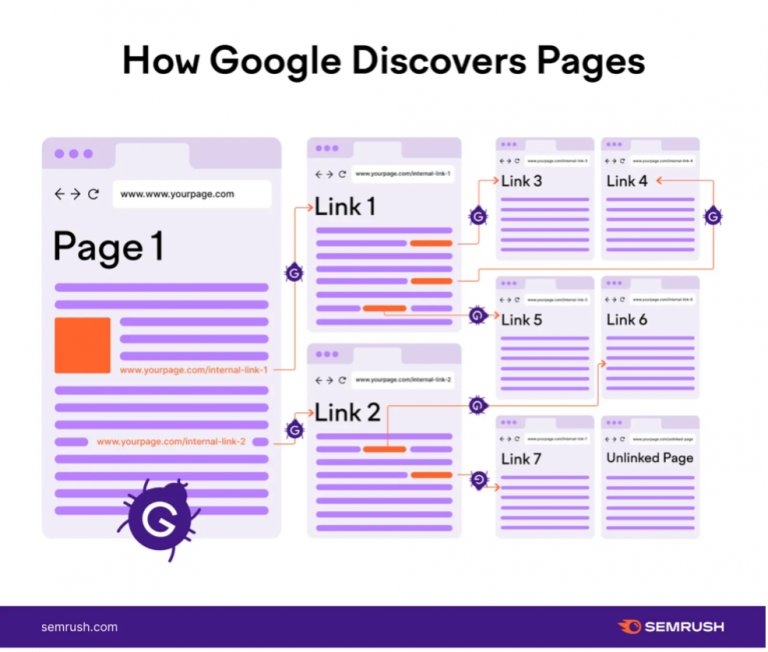
Finally, keep an eye out for orphaned pages. These are pages on your site that don’t have any links pointing to them. Because they’re disconnected from the page hierarchy, search engines like Google will have a hard time finding and indexing them. Worst-case scenario, they won’t even show up in search engine listings.
Orphaned pages are often due to new content being published, but failing to connect it. Perhaps your marketing team are going through a crunch period of pumping out fresh content, and this was subsequently overlooked. It could also be an old page that is long thought lost or forgotten. Regardless, there’s no need to fret because fixing this problem is easy. Simply connect the orphaned page to your pillar content using internal links, or add it to the navigation menu (header, footer, or sidebar) so it becomes part of your site’s structure. You can find orphaned pages using most SEO tools like Ahrefs (requires verified ownership) or SEMrush, which crawls your site and flags orphaned pages.
Internal linking is important! Login Marketing hopes that this serves as a thoughtful reminder to link to your own pages and give them an SEO boost (not too much, as it can be considered spam by search engines).
6. Public Relations (PR) with Journalists
Public relations is all about boosting brand awareness and SEO using media coverage. So far, we have talked about outreach to website owners, but journalists and reporters are a league of their own. They are one of the most impactful cornerstones of link building since being featured on a news page will earn you exposure to very large audiences.
Learn more about our Link Building Strategies Here:
- PR Link Building Strategy #1: Content‑driven outreach to news outlets. (Link to blog)
- PR Link Building Strategy #2: Responding to queries through journalist platforms
(Link to blog) - PR Link Building Strategy #3: Harness trends and press releases
(Link to blog)

In Context of Link Building Services for Singapore Businesses
Singapore has established itself as an exciting, highly competitive business hub for companies and entrepreneurs, thanks to attractive government grants & incentives. Today, tens of thousands of businesses have carved out their space in the online market, turning Singapore’s digital landscape into one of the most saturated in all of Southeast Asia. When you run a business in Singapore (physical storefront or online), you’re up against countless competitors ranking for the same niche search terms. There are bound to be similarities in content, and it's harder to secure a foothold. That’s why having a strong backlink profile makes a huge difference.
Login Marketing will go the extra mile to craft SEO strategies tailored to your brand and target audience. We ensure you are covered for more specific, intricate strategies on top of link building services, such as Google Business Profile (GBP) optimisation, local keyword optimisation, mobile-first and voice search optimisation, local SERP optimisation (to support GBP), hyperlocal SEO optimisation, and more, on top of the high-quality link building services Singapore businesses trust.


Conclusion: Strengthen Your SEO Foundation with Login Marketing
Search engines like Google have a "human first" philosophy, as shown in this developer's update. Meaning, they prioritise websites that enhance user experiences with content based on the 4 main pillars of SEO, experience, expertise, authority, and trust (E-E-A-T). These are best achieved through website content and supported by backlinks from websites of high SEO authority.
At Login Marketing, our team of SEO specialists crafts customised campaigns that align with your brand goals and earn links that matter.
Whether you’re a start-up looking to make your mark or an established brand aiming to dominate your niche, our link building services in Singapore are designed to deliver measurable, long-lasting results.