What KPIs Should I Track to Measure AI SEO Success?

The right AI SEO will prioritize metrics like visibility, engagement, and authority over time, and not just search rank. In 2025, search systems powered by AI will reward high-ranking content for matching user intent, and how their users engage with both their content and site. Consider the right KPIs to tell if your AI SEO is building sustainable growth or generating temporary traffic spikes.
AI SEO performs in contrast to customary SEO. The performance measurement does not involve a single metric. A collection of metrics exists. These metrics show responses to your content from search engines and users. The responses occur over time. Tracking the right KPIs helps optimize strategy, find opportunities for improvement, and influence budget allocation in totality.
Organic Visibility and Search Coverage
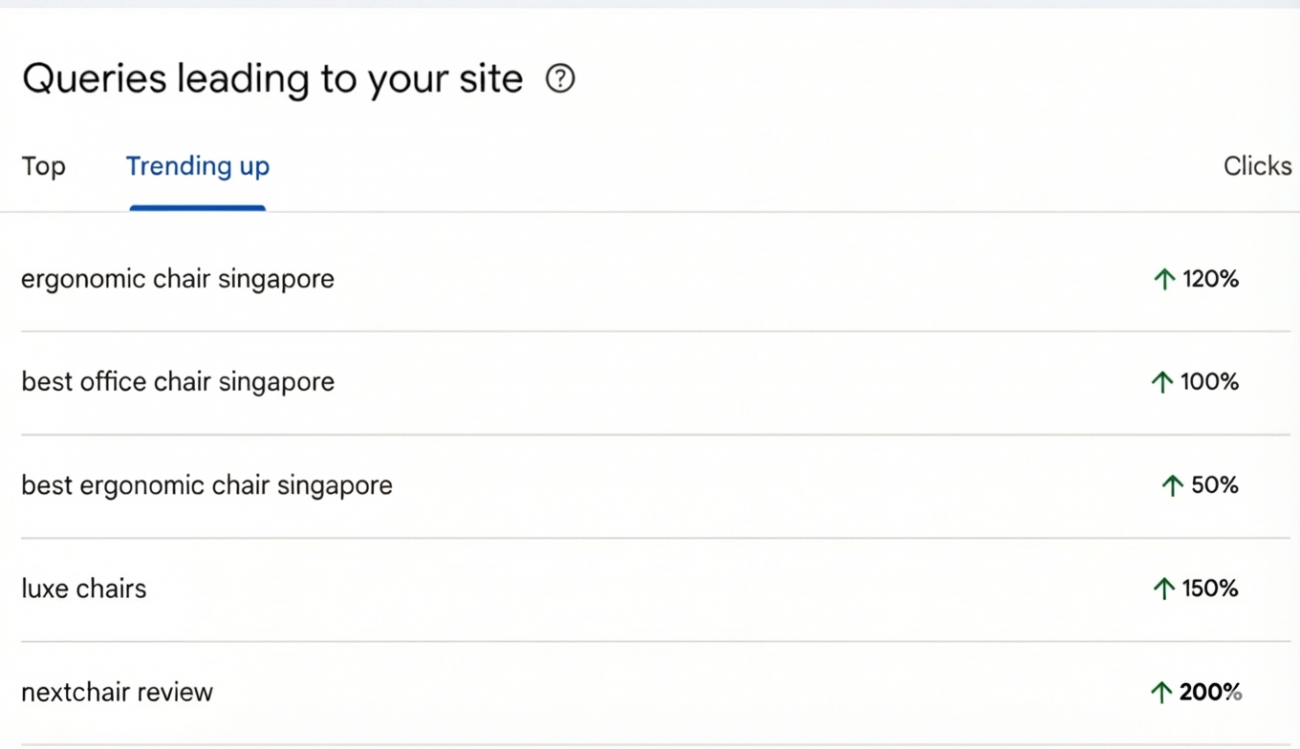
The best AI SEO KPIs are organic visibility (impressions in search results), the number of long tail impressions, and the number of searches where your content appears. AI search engines can surface content for many variations of intent beyond just exact keyword matches.
If impressions increase without corresponding clicks, it may be a result of AI systems testing and serving your content across an increasing variety of queries. This might create steadier traffic as search engines find the website trustworthy and relevant with time.
Tracking search coverage shows you how the content ecosystem is growing, not only in your rankings for a single keyword, but also in exposure to related questions and topics.
Engagement Metrics That Signal Content Quality
Engagement metrics are critical for AI SEO success. Time on page, scroll depth, and interaction rates show whether users find your content useful. AI systems use these signals to evaluate whether content truly satisfies intent.
If users spend more time reading, navigate to related pages, or return to your site, it indicates strong alignment with their needs. Low engagement often signals that content is unclear, too shallow, or mismatched with search intent.
Monitoring engagement helps you identify which content performs best and which pages need refinement. Improving clarity, structure, and depth based on these metrics strengthens overall AI SEO performance.
Conversion and Assisted Conversion Metrics
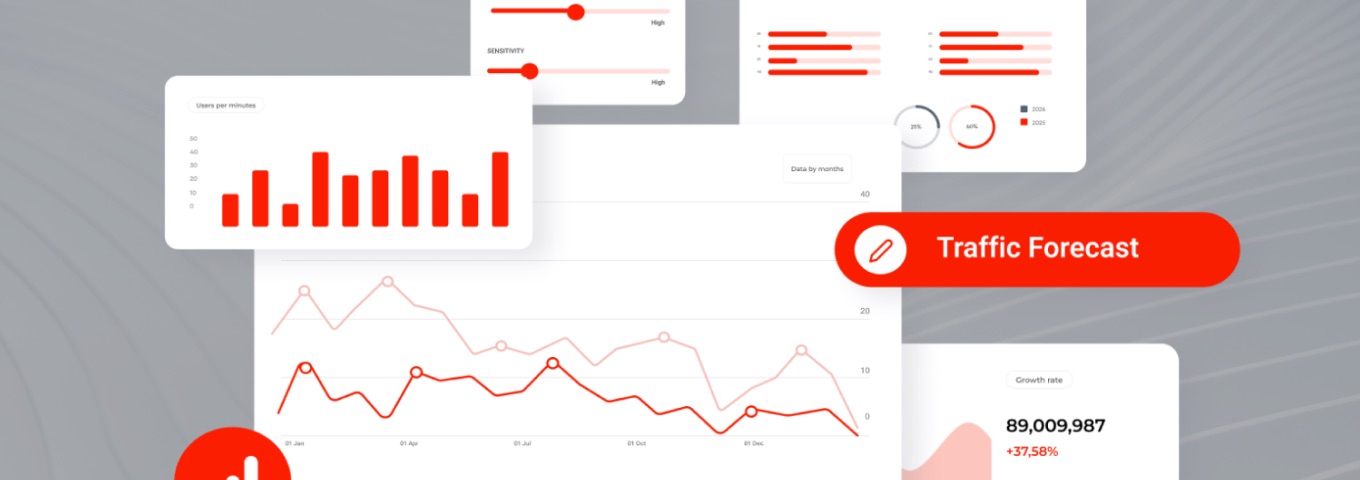
Conversions (form submissions, enquiries, sign ups or purchases) from organic traffic are also included in AI SEO, but visibility and authority are prioritized. The success of AI SEO is ultimately measured not by the amount of traffic generated, but by the quality of the traffic.
Conversions assisted by these channels are particularly important to track since AI SEO content tends to answer questions and build trust in the first stages. Even without a conversion, the page can still influence later actions.
To communicate the long-term value of AI SEO, focus on how organic content impacts conversions over the course of touch points. Base the focus on touch points, not just short-term sales.
Content Growth and Authority Signals
This means that, in order to succeed in AI SEO, you have to build authority: monitor KPIs such as the indexed pages, internal linking depth, and topical coverage to see how your content ecosystem grows. AI systems prefer brands with knowledge in multiple relevant areas.
Another signal of authority is an increase in referred or backlinked mentions. It also signals that people are recognizing and linking to your content which benefits long-term visibility.
Measuring KPIs relating to tracking authority ensures you're building long-term value, rather than short-term wins.
Final Thoughts
Measuring AI SEO success requires looking beyond traditional rankings. The most meaningful KPIs focus on organic visibility, user engagement, conversion quality, and authority growth. In 2025, businesses that track these indicators gain clearer insight into how AI driven search systems evaluate their content. By monitoring the right KPIs consistently, AI SEO becomes a measurable and scalable driver of long term growth.